
Introduction
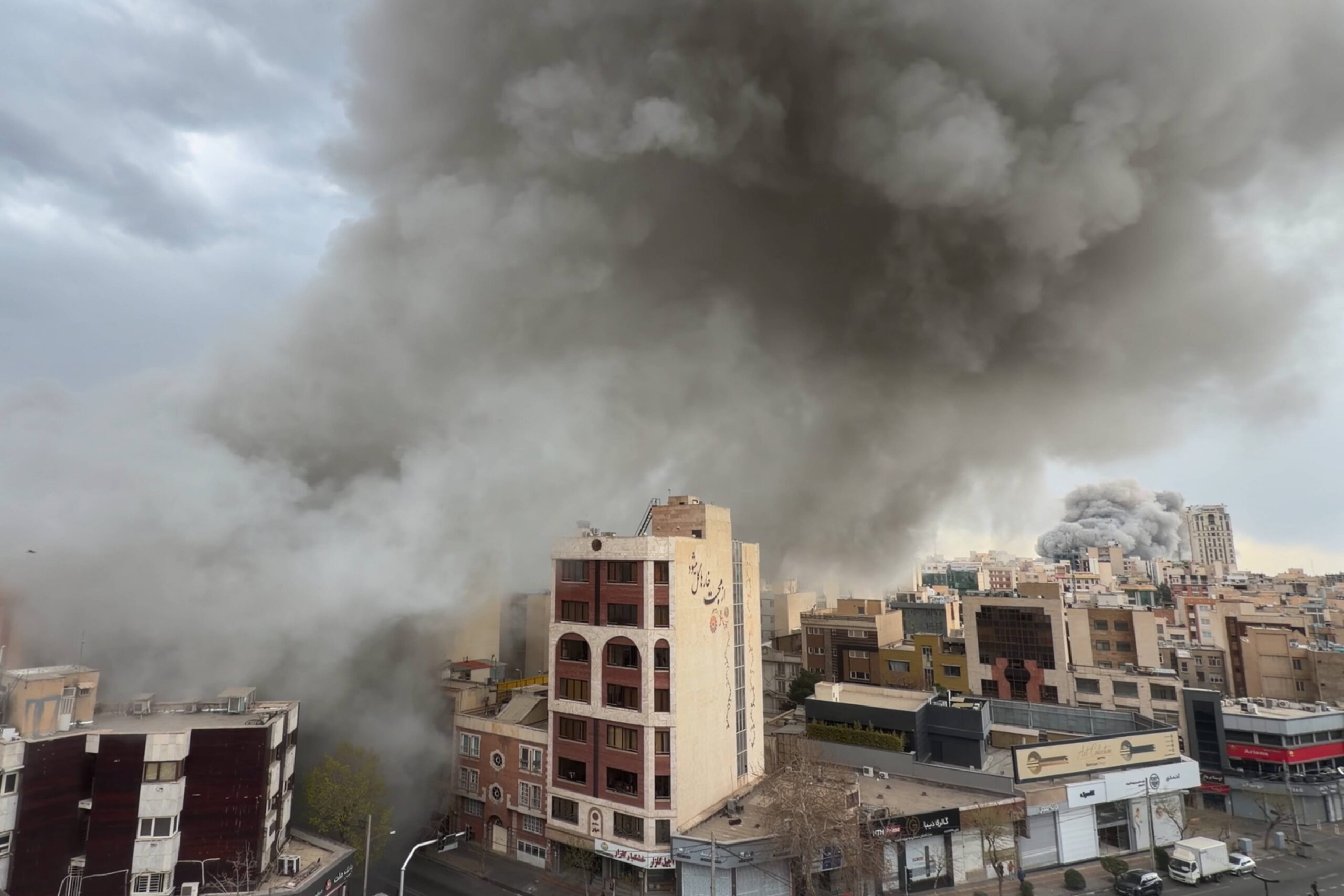
According to recent international reports, US civilian casualties in Iran 2026 have drawn global attention following a controversial strike near a school compound that reportedly resulted in multiple civilian deaths. Officials and analysts say the incident could intensify diplomatic tensions, raise legal questions under international humanitarian law, and trigger renewed scrutiny of military targeting protocols.
Key Sections
Background: Rising Tensions Leading to the Strike
The incident occurred amid heightened geopolitical tensions in the Middle East during early 2026. Regional security analysts say escalating military activities and proxy conflicts had already increased the risk of accidental civilian harm.
Preliminary reports from local authorities indicate that a targeted strike hit a facility located near a school building in western Iran. Initial casualty estimates suggest between 18 and 27 civilians may have been killed, including several minors who were reportedly present in the surrounding area at the time.
Industry experts suggest that modern military operations increasingly rely on digital intelligence systems, satellite data analysis, and AI-assisted targeting technologies to minimize civilian harm. However, analysts warn that even advanced systems cannot fully eliminate risks in densely populated environments.
“Urban conflict environments remain extremely complex,” one defense policy analyst said in a regional security briefing. “Even with improved surveillance technologies, intelligence gaps and operational pressure can lead to tragic outcomes.”
Key Details of the School Strike Incident
Preliminary investigations are still ongoing, but official sources and regional observers have identified several critical factors surrounding the event.
Reported details include:
- The strike reportedly occurred during early morning hours near an educational complex
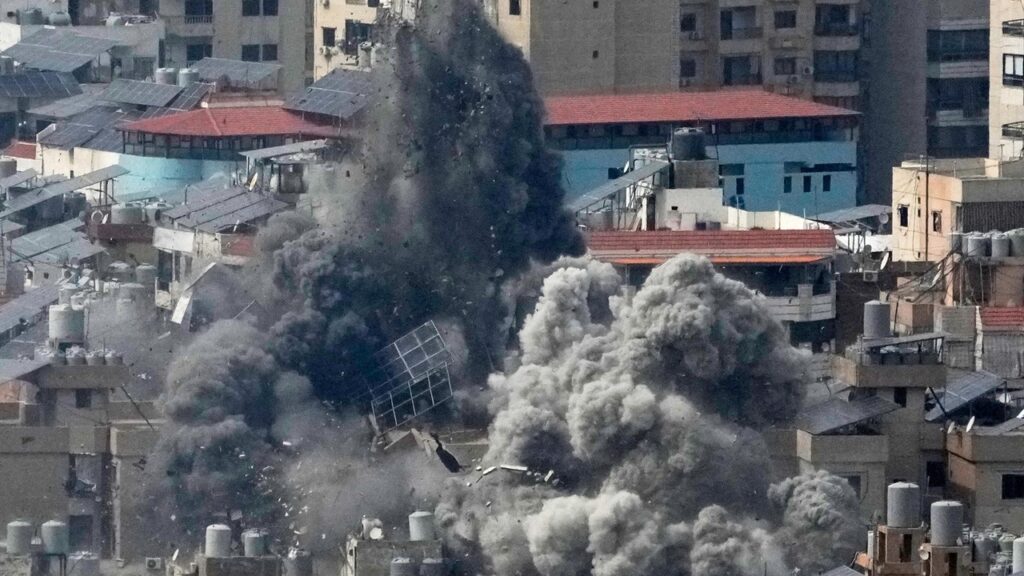
- Local emergency responders reported multiple civilian casualties and structural damage to surrounding buildings
- Authorities confirmed the presence of students and teachers in nearby facilities at the time of the explosion
- Satellite imagery reportedly indicates the strike targeted a nearby structure believed to have military links
Military analysts note that the proximity of civilian infrastructure complicates targeting decisions, particularly in regions where military and civilian facilities exist close together.
Key issues currently under review include:
- Accuracy of intelligence assessments prior to the strike
- Compliance with international humanitarian law regarding civilian protection
- Use of AI-assisted targeting technologies and digital surveillance systems
- Emergency response timelines and casualty verification
Data from conflict monitoring organizations suggests that civilian casualties in modern air operations have declined globally over the past decade, partly due to improved targeting systems. However, experts say incidents involving civilian sites remain among the most politically sensitive outcomes of military action.
International Reaction and Diplomatic Implications
The strike has prompted responses from several governments and international organizations calling for transparency and investigation.
Diplomatic observers say the incident could affect ongoing regional negotiations related to security coordination, sanctions frameworks, and broader geopolitical stability.
Potential diplomatic consequences may include:
- Calls for an independent international investigation
- Increased scrutiny of cross-border military operations
- Renewed discussions on civilian protection standards in armed conflict
- Potential impact on existing diplomatic dialogue between regional powers
Policy experts also note that such incidents often intensify debates about AI integration in military systems, particularly regarding accountability and oversight.
What to Expect Next
Investigations into the incident are expected to continue through 2026 as international bodies and regional governments seek additional information.
Analysts say future developments may include:
- Publication of satellite and intelligence assessments
- Independent humanitarian investigations
- Possible diplomatic negotiations or security consultations
- Updated military operational protocols designed to strengthen civilian protection
Officials emphasize that verifying casualty numbers and operational details will require careful review of multiple independent sources.
Conclusion
As we progress further into 2026, the school strike incident in Iran highlights the ongoing challenges of balancing military operations with civilian protection in modern conflicts. The outcome of investigations could shape international discussions on accountability, targeting technologies, and humanitarian safeguards. Looking ahead, policymakers and defense experts are likely to examine how emerging technologies and operational frameworks can reduce the risk of similar tragedies.
By Daniel Whitaker, Senior Correspondent – Daily AI Buzz