
Introduction
According to recent international security reports, the OPCW AI and chemical weapons report in 2026 is drawing global attention as experts warn that artificial intelligence could transform both chemical defense and potential weapons development. The report outlines new security risks and regulatory frameworks as governments evaluate how emerging AI technologies may reshape global chemical weapons governance.
Key Sections
Background: Why AI Is Now a Chemical Weapons Security Concern
The Organisation for the Prohibition of Chemical Weapons (OPCW) has increasingly focused on the implications of artificial intelligence for chemical security. As AI tools become more powerful in scientific research, analysts warn that they could accelerate chemical discovery processes that were previously limited by manual experimentation.
Industry experts suggest that AI-powered molecular modeling systems can analyze vast chemical databases and simulate molecular interactions at unprecedented speed. These capabilities support legitimate uses in pharmaceutical development, industrial chemistry, and environmental sustainability research. However, officials say the same technologies could potentially be misused to identify hazardous compounds.
Data cited in the report indicates that AI-assisted chemical modeling can reduce research timelines by up to 30–40%, significantly accelerating both beneficial scientific breakthroughs and potential misuse scenarios.
“Artificial intelligence is transforming chemical research workflows,” one international chemical policy analyst noted during a global security forum in early 2026. “Regulators must ensure that technological progress does not undermine long-standing chemical weapons prohibition frameworks.”
Key Findings From the OPCW Report
The 2026 OPCW assessment identifies several emerging risks associated with AI integration in chemical research and industrial processes.
Key findings highlighted in the report include:
- AI-driven molecular discovery tools capable of rapidly generating new chemical compound structures
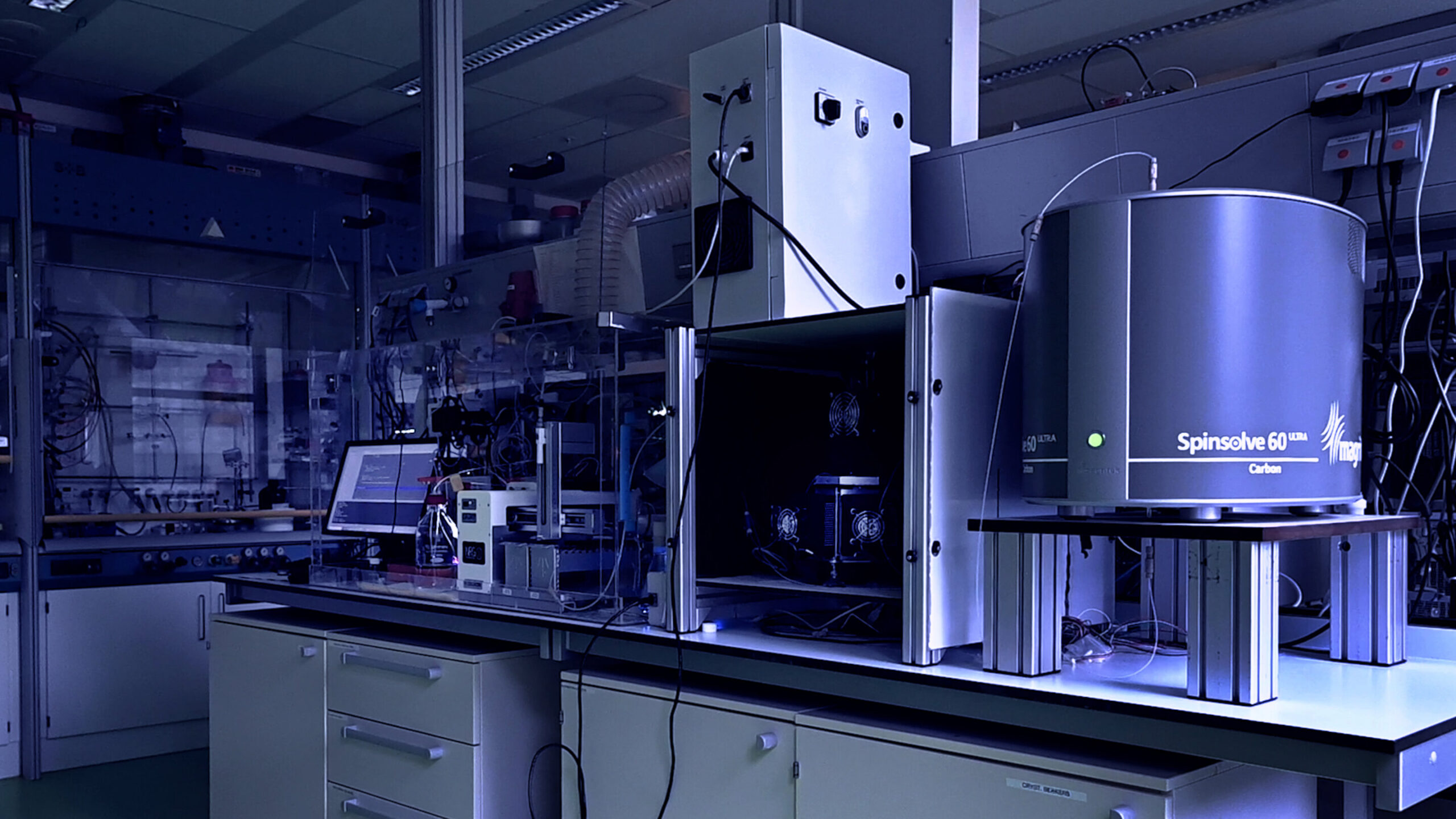
- Automated laboratory platforms that can conduct thousands of experiments with minimal human intervention
- Advanced data analysis systems capable of identifying hazardous chemical interactions in large datasets
- Digital research networks that enable global collaboration but also raise security monitoring challenges
Officials say these technologies are increasingly accessible through open research platforms, creating a need for stronger oversight mechanisms.
The report also outlines priority areas where international cooperation may be required:
- Enhanced monitoring of AI-assisted chemical research platforms
- Updated verification mechanisms within the Chemical Weapons Convention (CWC)
- Global compliance standards for AI-enabled chemical laboratories
- Cybersecurity protections for digital chemical research infrastructure
Security analysts emphasize that maintaining strong regulatory frameworks is essential as scientific tools become more powerful.
Implications for Global Security and Scientific Research
The OPCW report highlights how AI integration may reshape chemical security governance while also enabling major scientific advancements. AI tools can support safer industrial processes, environmental monitoring, and improved chemical detection systems.
Industry experts suggest that responsible use of artificial intelligence could strengthen global chemical safety standards, emergency response systems, and environmental protection initiatives.
Potential benefits identified in the report include:
- Faster development of chemical detection technologies
- Improved modeling for hazardous material containment
- Enhanced monitoring systems for industrial chemical facilities
- More efficient environmental risk assessments
However, analysts caution that rapid technological development requires updated regulatory oversight to ensure that scientific innovation remains aligned with international law.
What to Expect From Global Regulators
The OPCW report is expected to inform discussions among member states about how international agreements should adapt to emerging technologies.
Policy experts suggest governments may consider:
- Updating international chemical weapons compliance frameworks
- Expanding scientific advisory panels focused on AI risks
- Increasing collaboration between cybersecurity and chemical safety experts
- Developing global reporting guidelines for AI-driven chemical research
Observers note that such measures would aim to preserve the effectiveness of the Chemical Weapons Convention, which remains one of the most widely supported arms control agreements.
Conclusion
As we progress further into 2026, the OPCW’s landmark report highlights the growing intersection between artificial intelligence and global chemical security. While AI offers significant benefits for scientific discovery and industrial innovation, it also introduces new governance challenges. Looking ahead, international cooperation and updated regulatory frameworks will likely play a crucial role in ensuring that AI-driven chemistry remains aligned with global security and safety standards.
By Jonathan Hale, Senior Correspondent – Daily AI Buzz