

Introduction
According to recent industry reports, Meta in-house AI chips in 2026 represent a significant strategic move by the social media giant to reduce reliance on external suppliers and compete with Nvidia’s dominance in AI hardware. Analysts say the development could reshape the global AI semiconductor market and accelerate large-scale artificial intelligence deployment.
Key Sections
Background: Why Meta Is Developing Its Own AI Chips
The surge in demand for artificial intelligence infrastructure has placed enormous pressure on the global semiconductor industry. Companies building large-scale AI models now require specialized processors capable of handling massive data workloads.
Industry experts suggest that Meta’s decision to develop proprietary AI chips reflects broader trends in digital transformation, data center efficiency, and supply chain independence. Tech companies increasingly want direct control over their AI infrastructure to optimize costs and performance.
Data from semiconductor analysts indicates that AI hardware spending could exceed $150 billion globally by 2026, driven by demand for machine learning systems, large language models, and advanced recommendation engines.
“Custom silicon is becoming a strategic priority for major AI developers,” one semiconductor analyst said during a technology briefing in early 2026. “Companies that design their own chips can tailor performance specifically for their AI workloads.”
Key Features of Meta’s New AI Chips
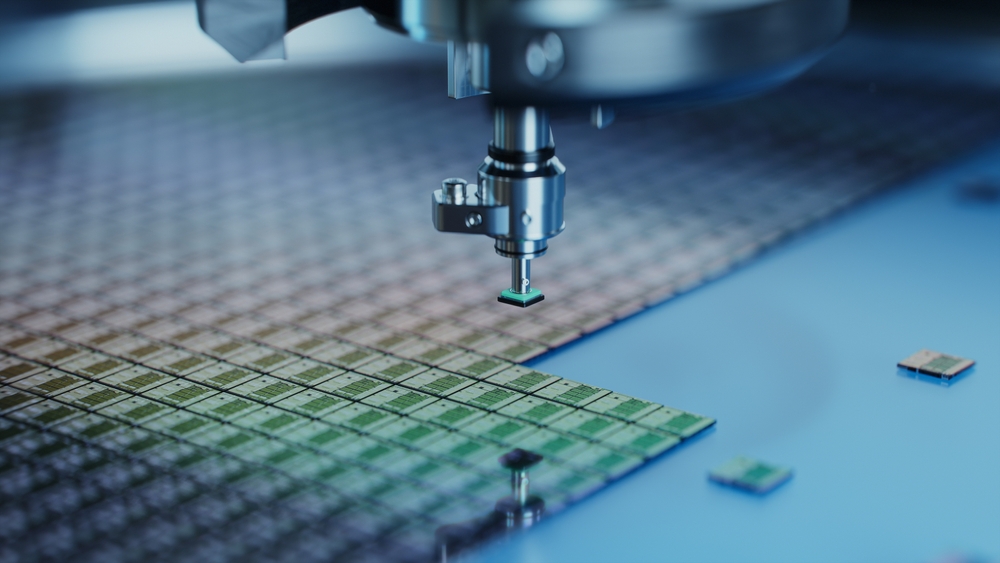
Meta’s new in-house processors are reportedly designed to support large-scale AI training and inference workloads across its platforms, including social media recommendation systems, advertising algorithms, and generative AI applications.
Industry observers say the chips aim to deliver improved energy efficiency and cost optimization compared with traditional GPU infrastructure.
Key capabilities reportedly include:
- High-performance AI training acceleration for large language models
- Enhanced energy efficiency for hyperscale data centers
- Optimized architecture for recommendation algorithms used across Meta platforms
- Integration with Meta’s AI infrastructure and machine learning frameworks
Technology analysts estimate that custom AI chips could reduce data center energy consumption by up to 20–25%, depending on workload optimization.
Meta is expected to gradually deploy the new processors across its data centers, potentially beginning with pilot deployments as early as Q3 2026.
Strategic Implications for the AI Semiconductor Market
The move highlights growing competition within the global AI chip market, which has been largely dominated by Nvidia’s GPU technology in recent years.
Industry experts suggest that large technology companies developing proprietary chips could reshape supply chains and influence pricing dynamics across the semiconductor sector.
Key market implications include:
- Reduced reliance on third-party GPU suppliers
- Expansion of custom AI accelerator designs across major tech firms
- Increased investment in semiconductor manufacturing partnerships
- Greater competition in AI infrastructure efficiency and cost performance
Analysts note that other major companies, including cloud providers and AI startups, are also investing in custom chip designs to optimize performance for specialized workloads.
What This Means for AI Development
Custom chip development could accelerate AI innovation by enabling companies to scale training systems more efficiently. Improved processing efficiency also supports broader sustainability goals by reducing data center energy consumption.
Technology experts say the integration of AI-specific hardware, advanced cooling systems, and cybersecurity safeguards will be critical for maintaining reliable infrastructure as AI models grow more complex.
At the same time, industry observers caution that designing proprietary semiconductors requires significant investment and long development cycles, which may limit participation to only the largest technology companies.
Conclusion
As we progress further into 2026, Meta’s launch of in-house AI chips signals a major shift in how technology companies approach AI infrastructure. The move reflects a broader industry trend toward custom hardware designed for specific AI workloads. Looking ahead, increasing competition in AI semiconductor development could reshape global supply chains and influence the pace of future artificial intelligence innovation.
By Marcus Whitfield, Senior Correspondent – Daily AI Buzz