
Introduction
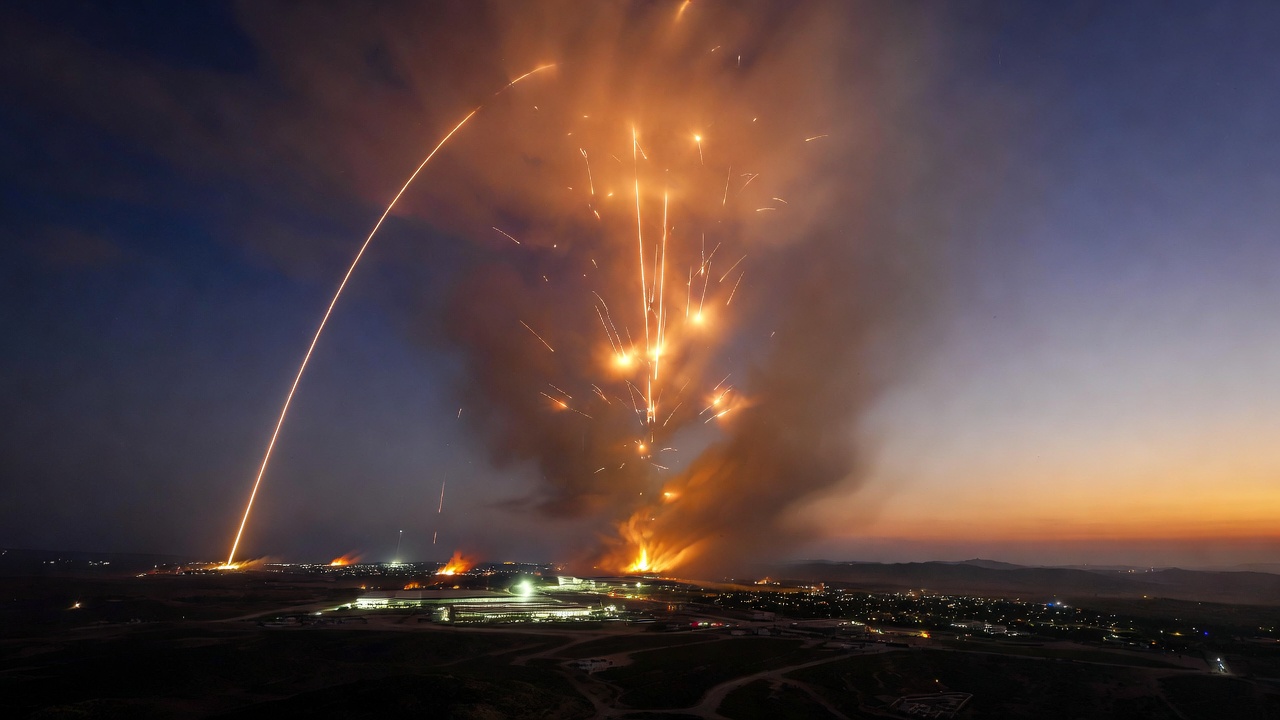
Experts warn that Iran’s retaliatory missile waves in 2026 are intensifying concerns over missile defense sustainability, as repeated launches test the limits of interceptor stockpiles across the region. Defense analysts say the central strategic question is no longer just interception capability—but which side risks exhausting defensive or offensive systems first.
Key Sections
Background: Escalating Missile Exchanges in 2026
Missile warfare dynamics have shifted significantly in recent years. Rather than relying solely on precision strikes, military planners increasingly use saturation tactics, launching large waves of missiles or drones designed to overwhelm air defense systems.
According to defense monitoring groups, Iran has invested heavily in expanding its missile arsenal, including medium-range ballistic missiles, cruise missiles, and long-range drone platforms. These systems are often deployed in coordinated waves to test interceptor capacity.
Industry experts suggest modern air defense networks now rely on AI-assisted radar processing, digital command systems, and predictive threat analysis to track incoming projectiles. These technologies help improve response times but also face challenges when large numbers of threats appear simultaneously.
“Missile defense systems are extremely advanced, but they remain constrained by interceptor inventories,” one regional defense analyst said during a security briefing in February 2026. “In high-volume exchanges, logistics and resupply become just as critical as technology.”
Key Dynamics of the Interceptor Challenge
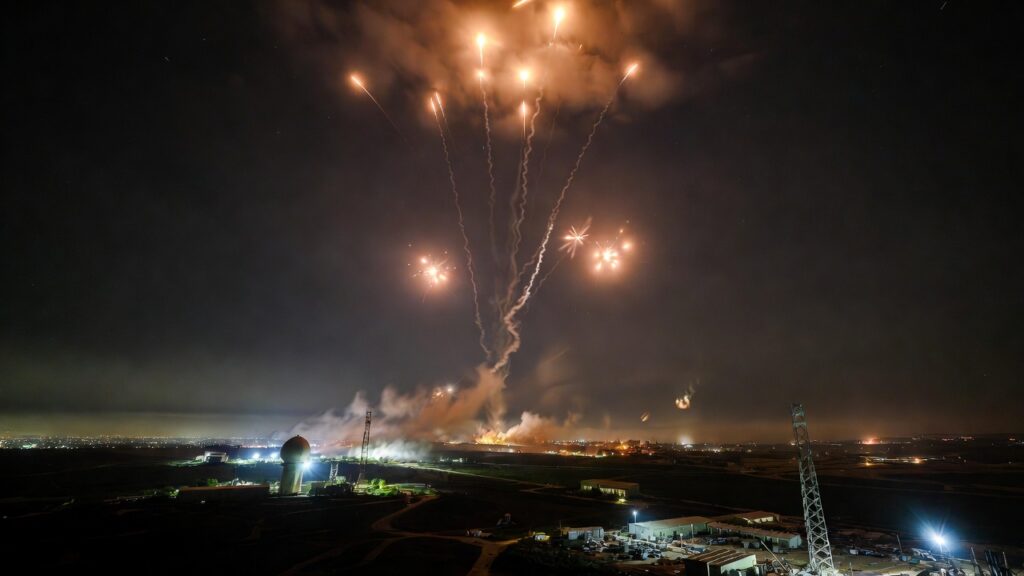
Analysts studying recent missile exchanges highlight several operational factors shaping the current balance.
Key dynamics include:
- Large coordinated missile waves intended to saturate air defense systems
- Layered interception networks combining multiple defense platforms
- Use of drones alongside missiles to complicate tracking systems
- AI-supported radar and command systems improving detection speed
Defense specialists note that interceptor missiles can cost significantly more than the rockets or drones they are designed to stop, creating a potential cost-imbalance during prolonged engagements.
Critical factors influencing interceptor sustainability include:
- Size of missile and interceptor stockpiles
- Rate of production and resupply capacity
- Effectiveness of layered defense systems
- Use of digital surveillance and early warning networks
Data from security research organizations suggests modern interception systems can achieve 70–90% success rates under typical conditions, but effectiveness may decline during large saturation attacks.
Technology and Defense Strategy
Modern missile defense strategies increasingly combine traditional interceptors with digital monitoring systems. Defense networks now rely on integrated radar arrays, satellite surveillance, and cybersecurity-protected command platforms to coordinate responses.
Industry experts suggest that AI integration allows defense operators to analyze thousands of incoming threat trajectories in real time. This digital transformation is intended to strengthen response speed, targeting accuracy, and system coordination.
However, analysts emphasize that technology alone cannot fully solve the interceptor dilemma. Logistics, manufacturing capacity, and long-term stockpile management remain critical strategic factors.
Several defense research groups highlight the following strategic considerations:
- Expansion of interceptor production capacity
- Improved coordination between allied defense systems
- Development of lower-cost interception technologies
- Strengthening cybersecurity protections for missile defense networks
These developments aim to maintain operational readiness even during prolonged missile exchanges.
What to Expect in the Coming Months
Security observers expect military planners across the region to closely monitor the sustainability of missile defense systems throughout 2026. Strategic planning increasingly focuses on long-duration conflict scenarios where supply chains and industrial capacity play decisive roles.
Possible developments include:
- Increased investment in interceptor manufacturing
- Expansion of regional missile defense cooperation
- Greater use of early-warning satellite systems
- Integration of new AI-driven threat analysis platforms
Analysts say such measures are intended to ensure air defense systems remain effective even during large-scale missile exchanges.
Conclusion
As we progress further into 2026, Iran’s retaliatory missile waves highlight a central challenge in modern defense strategy: maintaining interceptor capacity during sustained conflict. The evolving balance between offensive missile inventories and defensive interception systems will likely shape regional security calculations. Looking ahead, technological innovation, industrial production, and diplomatic stability will all play roles in determining how this strategic equation unfolds.
By Alexander Grant, Senior Correspondent – Daily AI Buzz