
Introduction
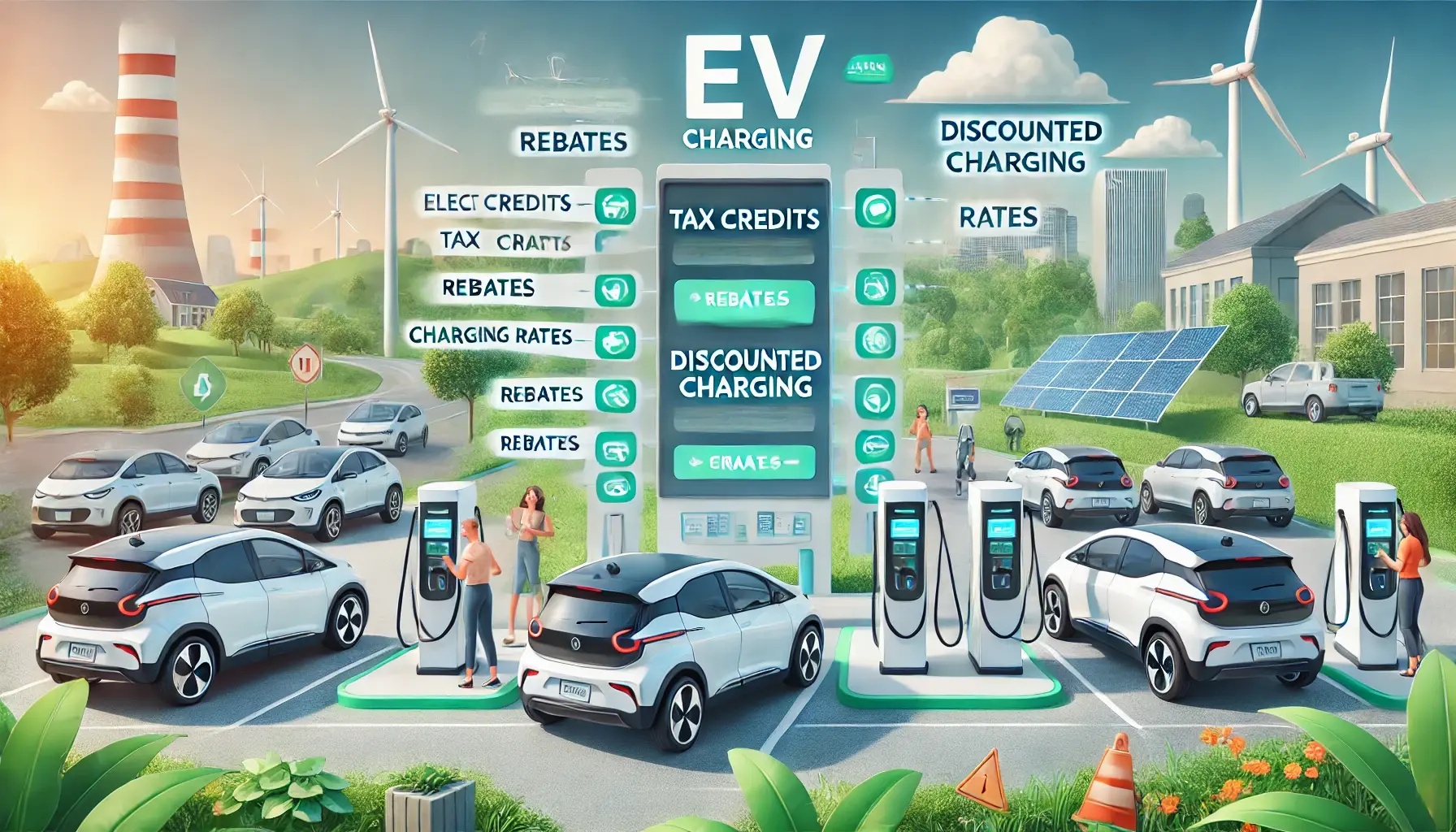
According to recent industry reports, the Electric Vehicle Tax Credits Update 2026 is reshaping how governments worldwide incentivize electric vehicle adoption. Several major economies have revised EV subsidy rules to strengthen sustainability goals and domestic manufacturing. Officials say the changes could influence vehicle pricing, buyer eligibility, and global EV adoption rates throughout the year.
Key Sections
Background: Why Governments Are Updating EV Tax Credits
Electric vehicle incentives have become a central tool for governments attempting to accelerate the transition away from fossil fuel transportation. In 2026, policymakers are refining these programs to align with climate targets, supply chain security, and expanding EV demand.
Industry analysts estimate that global EV sales could exceed 19 million units in 2026, representing nearly 22% of all new vehicle purchases worldwide. To support this growth, governments are adjusting tax credits to encourage local battery production, improve charging infrastructure, and ensure compliance with emerging environmental standards.
“Governments are no longer focused solely on adoption rates,” one automotive policy analyst said in a February 2026 briefing. “The goal now is sustainable supply chains and long-term climate resilience.”
These policy shifts also reflect broader economic priorities, including digital transformation in mobility systems, battery innovation, and energy security strategies.
Key Changes in the Electric Vehicle Tax Credits Update 2026
Several new provisions have emerged across major EV markets, including the United States, European Union, and parts of Asia-Pacific. Official sources state the latest updates aim to ensure tax incentives support domestic manufacturing while maintaining consumer affordability.
Key changes include:
- Revised income eligibility thresholds for EV buyers in several markets to focus incentives on middle-income households
- Stricter battery sourcing rules, requiring a percentage of materials to originate from approved trade partners
- Expanded credits for commercial EV fleets, including delivery vehicles and ride-sharing services
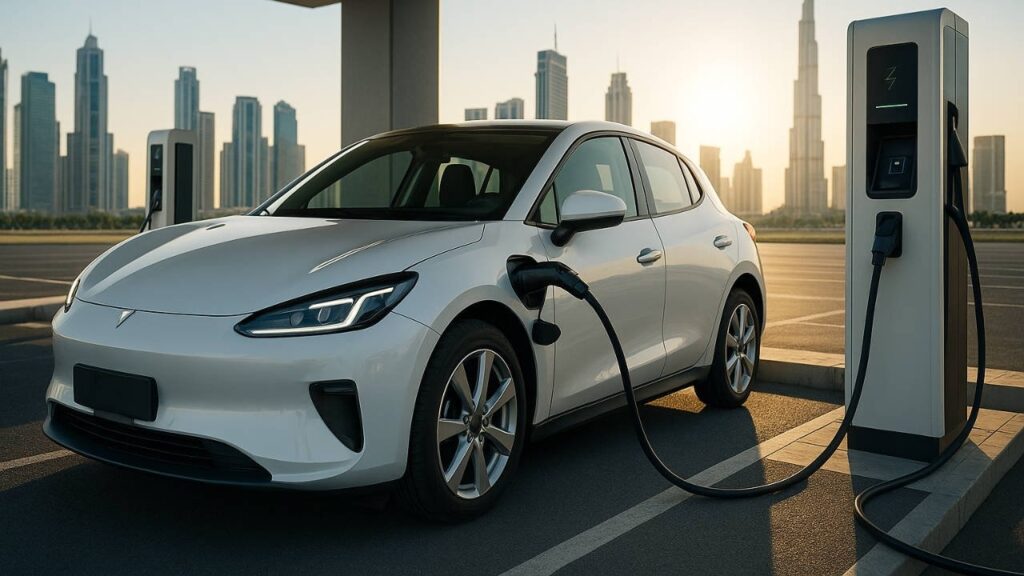
- Additional incentives for charging infrastructure installations, particularly in rural areas
- Gradual phase-outs for older EV models that no longer meet updated efficiency or sustainability benchmarks
In the United States, updated guidance released for Q3 2026 implementation could allow eligible buyers to claim up to $7,500 in federal tax credits, depending on battery sourcing and vehicle assembly requirements.
Global Policy Shifts and Compliance Requirements
Governments are increasingly tying EV incentives to stricter environmental and manufacturing standards. Industry experts suggest these policies are designed to strengthen global supply chains and reduce reliance on critical minerals from limited sources.
New compliance conditions emerging in several regions include:
- Minimum domestic battery production requirements for vehicles receiving full tax credits
- Lifecycle emissions standards measuring environmental impact from manufacturing through disposal
- Cybersecurity and software safety requirements for connected EV systems
- Expanded reporting rules for automakers receiving government subsidies
Data indicates that these measures could improve supply chain transparency and reduce lifecycle emissions from EV production by up to 18% by 2030.
Automakers are already adjusting their manufacturing strategies to meet these requirements, including building new battery plants and expanding partnerships with certified suppliers.
What the 2026 Update Means for EV Buyers
For consumers, the updated tax credit framework may influence purchasing decisions in several ways. Eligibility rules are becoming more detailed, meaning buyers must carefully review income thresholds, vehicle origin requirements, and battery sourcing conditions.
Potential impacts for buyers include:
- Increased incentives for domestically produced EV models
- Expanded benefits for fleet and commercial EV purchases
- Improved charging infrastructure availability
- Possible price adjustments for vehicles that lose eligibility
Industry experts caution that buyers should confirm eligibility criteria before purchase, as policy adjustments may vary significantly by region and could change during the year.
Conclusion
As we progress further into 2026, electric vehicle tax credit reforms are shaping the next phase of global EV adoption. Governments are balancing affordability incentives with supply chain security and sustainability goals. Looking ahead, the success of these policies will likely depend on how effectively automakers adapt manufacturing strategies and how quickly charging infrastructure expands to meet growing demand.
By Caroline Mercer, Senior Correspondent – Daily AI Buzz