
Introduction
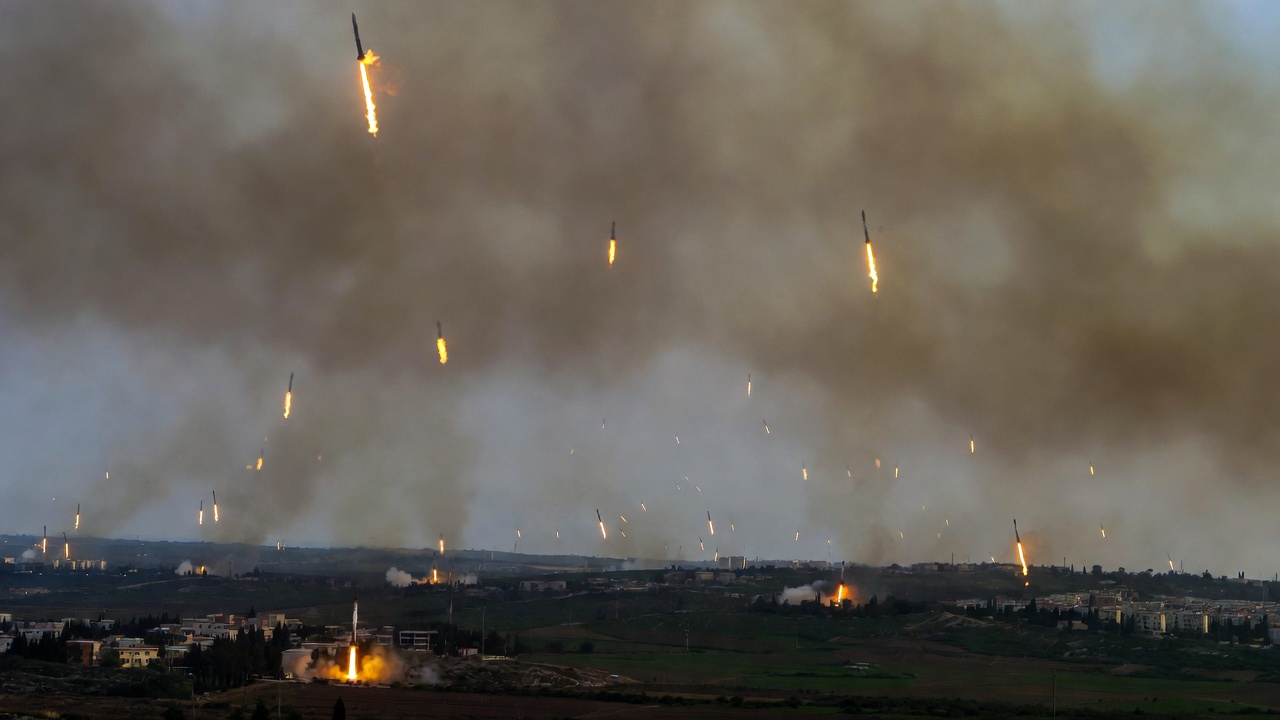
According to regional security reports, Hezbollah Rocket Barrages at Israel 2026 escalated dramatically after more than 150 rockets were launched toward central Israeli regions, including areas near Tel Aviv. Analysts say the coordinated attack marks one of the most significant cross-border escalations in recent months, raising concerns about broader regional instability.
Key Sections
Background: Rising Tensions Along the Israel–Lebanon Border
Security experts note that tensions along the Israel–Lebanon border have been gradually intensifying throughout early 2026. Sporadic rocket launches, drone interceptions, and military mobilizations have increased the risk of larger confrontations.
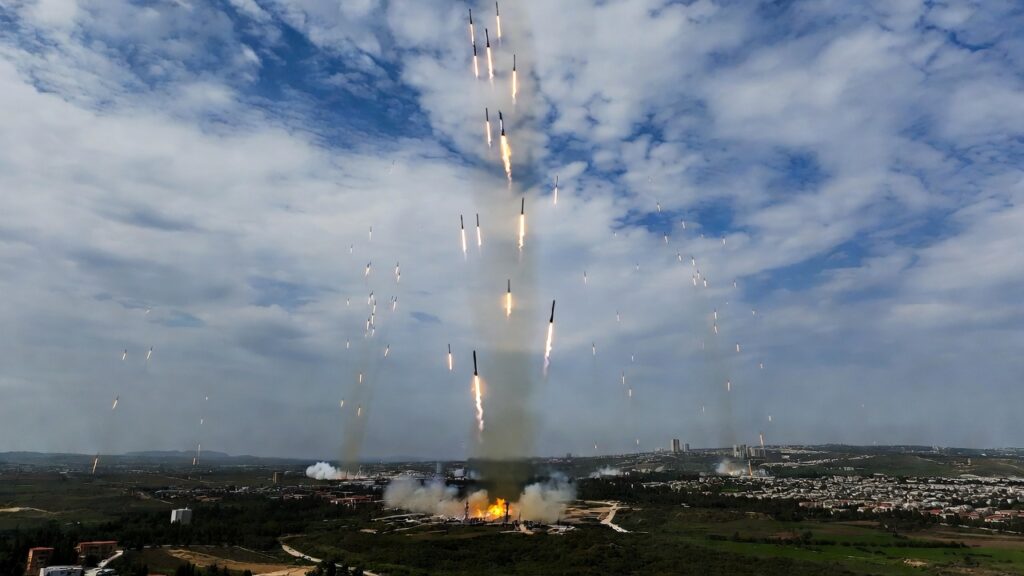
According to preliminary assessments from defense monitoring organizations, the latest barrage involved over 150 rockets fired within a short operational window, indicating a coordinated launch strategy designed to overwhelm air defense systems. Israeli authorities reported that several rockets were intercepted by missile defense platforms, while others landed in open areas.
Industry experts suggest that modern air defense networks increasingly rely on AI-assisted targeting algorithms, digital radar integration, and real-time data analysis to identify incoming threats and calculate interception trajectories.
“Advanced defense systems can process thousands of data points within seconds,” one regional defense analyst said during a security briefing. “However, large coordinated barrages are designed to test the limits of interception capacity.”
Key Details of the Rocket Barrage
Initial operational reports provide several key insights into the scale and execution of the attack.
Reported characteristics include:
- More than 150 rockets launched in coordinated waves
- Target areas reportedly included central Israeli regions near Tel Aviv metropolitan zones
- Several projectiles were intercepted by Israeli missile defense systems
- Emergency sirens were activated across multiple cities and communities
Security analysts note that such attacks often involve staggered launch timing intended to create pressure on defensive interception networks.
Key operational aspects currently under review include:
- Launch site locations and command coordination
- Effectiveness of missile defense interception systems
- Civilian alert response times and shelter usage
- Potential involvement of drone reconnaissance or digital targeting support
Defense data suggests that interception technologies used in Israel can neutralize 70–90% of incoming rockets under typical conditions, although saturation attacks can reduce effectiveness.
Implications for Regional Security
The scale of the attack has prompted heightened military readiness across the region. Governments and international observers are monitoring developments closely amid concerns that continued escalation could broaden the conflict.
Policy experts say the incident highlights several evolving security dynamics:
- Increased reliance on AI-integrated defense systems and digital threat detection
- Greater use of coordinated rocket barrages in asymmetric warfare
- Expanding cybersecurity measures to protect military command networks
- Heightened risk of retaliatory military operations
Regional diplomacy may also be affected, particularly ongoing efforts aimed at stabilizing cross-border security conditions.
What to Expect Next
Security analysts expect the coming weeks to focus on both military response and diplomatic engagement. Officials say monitoring systems remain on high alert for additional rocket launches or retaliatory strikes.
Possible developments in the near term include:
- Military assessments of launch infrastructure across border regions
- Diplomatic consultations involving regional and international mediators
- Strengthening of missile defense deployments around major population centers
- Expanded intelligence surveillance and early-warning systems
Observers note that preventing further escalation will likely require both security coordination and diplomatic engagement between regional stakeholders.
Conclusion
As we progress further into 2026, the Hezbollah rocket barrages targeting Israel highlight the fragile security environment across the Middle East. The incident underscores how modern conflicts increasingly combine traditional rocket attacks with advanced digital surveillance and defense technologies. Looking ahead, regional stability will depend on both military restraint and diplomatic efforts aimed at preventing broader escalation.
By Jonathan Mercer, Senior Correspondent – Daily AI Buzz